
An 18-month national anti-bullying project equipping 19 schools across Bulgaria with Forum Theatre and NVC tools – training student peer educators to build cultures of empathy, rights awareness, and nonviolence in their school communities.
About this project
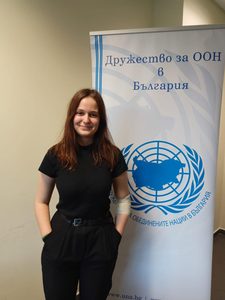
ТеСТ (Театър срещу тормоза в училище) was an 18-month national project implemented by Сдружение “Дружество за ООН в България” (United Nations Association of Bulgaria), co-financed by the European Union and the Foundation for Civil Society Initiatives (FRGI), within the INSPIRE programme on preventing and responding to violence against children.
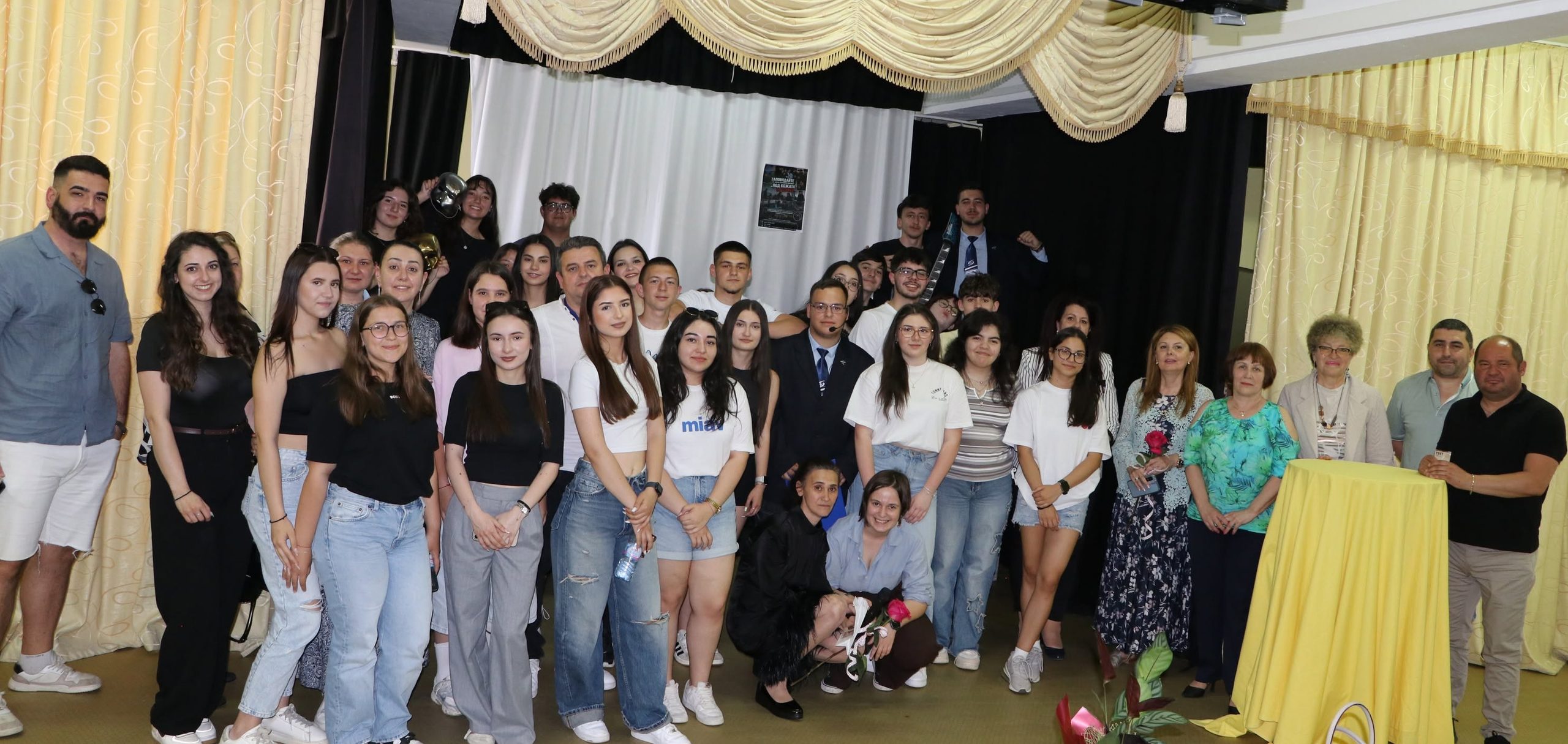
The project united 19 schools from 13 regions across Bulgaria – each with a UN student club – into a national learning network. Its core premise: bullying is a human rights violation, and the most effective prevention involves young people themselves as active rights defenders. Rather than imposing top-down solutions, ТеСТ equipped students to train their peers and to perform Forum Theatre shows for their school and local communities – turning lived experience into a tool for transformation.
Axolotl’s founder Toni Lyubenova served as lead methodologist and lead facilitator across all project events – designing the Forum Theatre and NVC methodology, training teachers and student educators, and facilitating the seminars.
What we delivered
One project, several layers
01
Designed the integrated Forum Theatre and NVC methodology for conflict transformation and bullying prevention in school contexts
02
Designed and facilitated the two national seminars – one for teachers, one for teachers and students together – that launched the training model
03
Trained approximately 120 student peer educators across 19 schools in the “peers teaching peers” methodology, Forum Theatre facilitation, and NVC practice
04
Provided the Joker facilitation framework for the 19 Forum Theatre performances staged by students for school and local communities
05
Contributed the essay and conceptual framework “Forum Theatre and NVC as a Space for Transformation” – the methodological narrative published in the project’s final report
Methods used
The ТеСТ methodology rests on two interlocking frameworks. Forum Theatre, developed by Augusto Boal, dissolves the boundary between audience and performer: scenes depicting real bullying situations are left unresolved, inviting participants to stop the action, step into roles, and rehearse different outcomes. This creates a protected space where young people can experiment with responses that would be difficult, risky, or impossible in real life.
Nonviolent Communication (NVC), developed by Marshall Rosenberg, gives the theatre process its emotional depth – shifting attention from blame and judgment toward the feelings and unmet needs beneath every conflict. Together, the two approaches move beyond symptom management: rather than labelling behaviour as “bullying” and seeking to stop it through rules, they create conditions where students understand their own inner states, recognise those of others, and develop genuine capacity for empathy and self-determination.
The training followed a cascade model: trained student educators delivered six peer-to-peer sessions per school, reaching students aged 10–15 across all 19 participating schools. Each school then staged a Forum Theatre performance – built from real situations in their school life – open to the wider school and local community.
.
Forum theatre
Theatre of the Oppressed
Nonviolent communication (NVC)
Drama pedagogy
Embodied learning
Peer to peer education
-
Project details
| Funding | European Union · Foundation for Civil Society Initiatives (FRGI) |
| Framework programme | INSPIRE – Improving National Support for Prevention, Intervention and Response to Violence against Children |
| Duration | 18 months |
| Closing event | 27 June 2026, Sofia, Bulgaria |
| Axolotl’s role | Lead methodologist · Lead facilitator of all project events |
| Client organisation | Сдружение “Дружество за ООН в България” (UNA Bulgaria) |
-
Deliverables
- ~120 student peer educators trained in Forum Theatre, NVC, and human rights education across 19 schools
- 76 in-class peer education sessions delivered – reaching students aged 10–15 across 13 regions of Bulgaria
- 114 total training sessions conducted within the cascade model
- 19 original Forum Theatre performances staged for school and local communities (May 2026)
- 100% of participating schools reported active student involvement in anti-bullying initiatives in their school plans
- 81.3% of teachers reported local government support for the National Mechanism on bullying prevention
- Student survey findings: participants reported increased empathy, greater confidence to protect themselves and others, and changed behaviour toward peers after the programme
- “Recommendations for Teachers and School Leadership” produced and published as part of the project’s open-access educational handbook
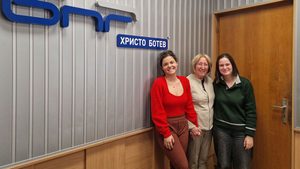
- Project featured on Bulgarian National Radio (BNR / Radio Hristo Botev)
Need a Forum Theatre methodologist or NVC facilitator for your next educational or social project?
Reach out and let’s talk!